HeyTea Fruit Tea: Real Fresh Fruit or Just Syrup?
In this article
- The Question Everyone Asks Standing at the Counter
- How a HeyTea Fruit Tea Actually Gets Made
- The Freshest Drinks on the Menu: A Field Guide
- What “Duo” Actually Means (and Why It Confuses People)
- Where Syrup Genuinely Enters the Cup
- The Freshness Spectrum, Ranked Honestly
- How to Order the Freshest Possible Cup
- How HeyTea Compares to the Rest of the Industry
- Frequently Asked Questions
- The Verdict
Key takeaway: HeyTea’s fruit teas are built on real fresh fruit, not just syrup — the grape and mango series prove it. That’s the core quality gap versus cheaper chains.
The Question Everyone Asks Standing at the Counter
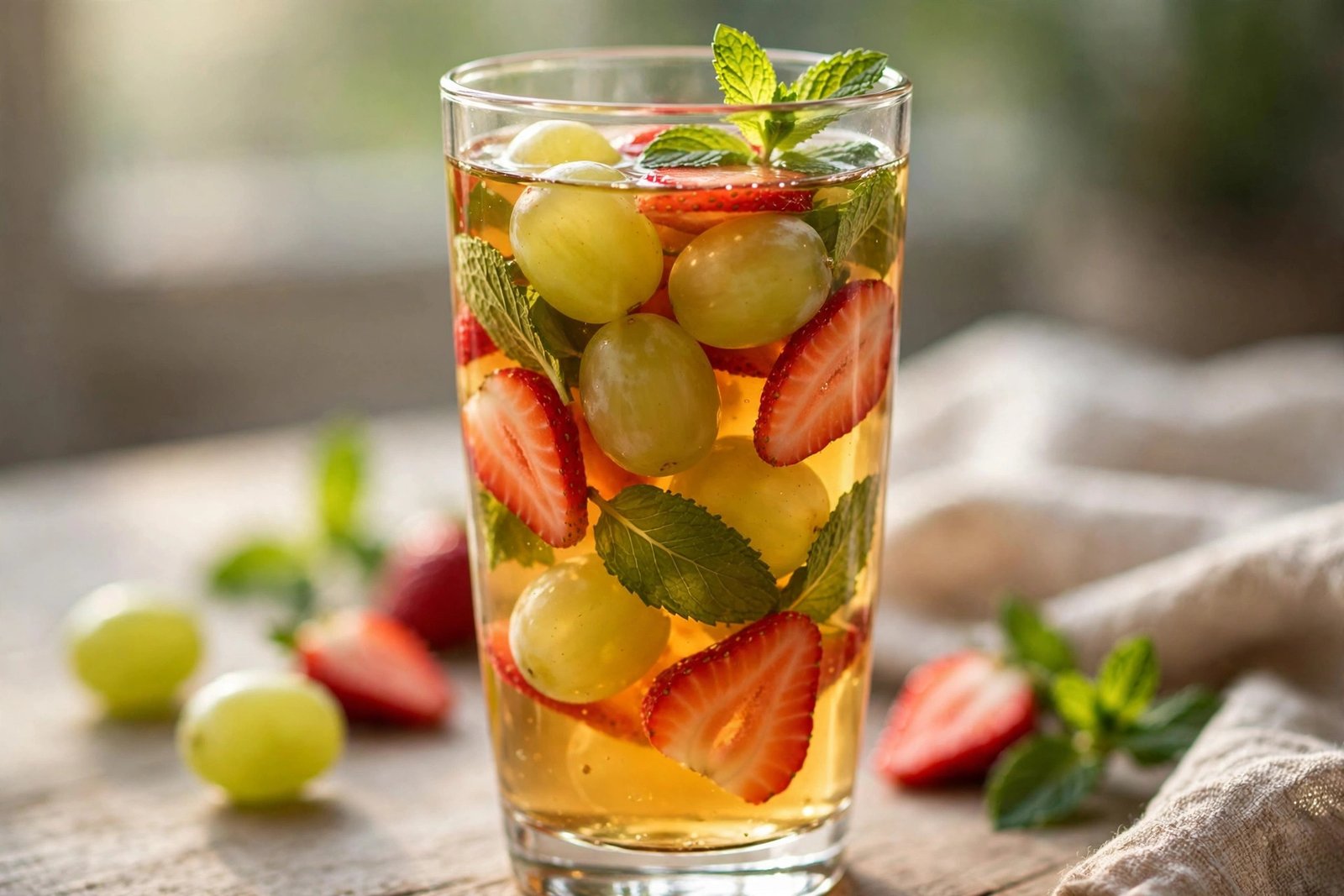
Watch a HeyTea barista work for sixty seconds, and the question answers itself halfway. There is a mound of green grapes on the prep counter. A scoop goes into the shaker and gets pressed and muddled into jasmine green tea right in front of you. That is not the choreography of a shop running on syrup bottles.
But then you taste the thing, and it is vivid, almost suspiciously vivid. And a fair question creeps in: is all that flavor really coming from those grapes, or is there a syrup assist behind the curtain?
The honest answer is more interesting than either extreme. HeyTea’s fruit teas are built on genuinely fresh fruit muddled, pressed, and sliced in-store in a way the budget bubble tea industry simply does not do. But “made with real fruit” has never meant “contains no syrup. ” Almost every fruit tea gets its sweetness tuned with syrup, and a handful of menu items lean on prepared fruit bases too. The trick is knowing which part of the drink each ingredient is doing. Fruit supplies the flavor. Syrup supplies the sweetness. Once you separate those two jobs, the whole menu makes sense.
How a HeyTea Fruit Tea Actually Gets Made
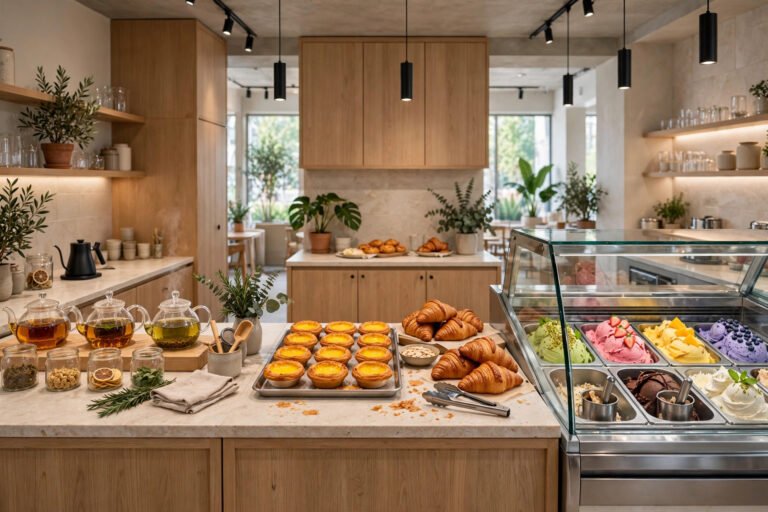
The best evidence for HeyTea’s freshness claim is operational, not promotional. Many stores keep fruit prep visible, with staff washing, peeling, coring, and portioning fruit through the day. It is partly theater and partly the reality of running a fresh-fruit menu: you cannot fake throughput that visible.
A typical fruit tea order runs through a sequence that has stayed consistent across the brand’s stores in China, Singapore, London, and New York:
- Fresh fruit goes into the shaker first. Whole grapes, strawberry slices, grapefruit segments, and mango chunks, the actual fruit, portioned by the scoop.
- It gets muddled or pressed to order. The barista crushes the fruit to release juice and pulp, sometimes with a hand press.
- Freshly brewed tea goes in next. Real brewed tea, jasmine green, oolong, and four-season spring tea, not instant powder.
- Syrup, ice, and a hard shake. A measured pump of sweetness syrup to hit your chosen level, ice, and a vigorous shake to integrate everything.
- A fresh fruit finish. More fruit on top, so the drink looks like what it claims to be.
The brand has also invested in proprietary smart kitchen equipment to handle fruit volume at scale—the kind of capital spending that only makes sense if real fruit is genuinely the foundation. A syrup-based shop has no use for fruit-prep machinery. A shop that muddles grapes by the thousand does.
The Freshest Drinks on the Menu: A Field Guide
Not every fruit tea leans equally fresh. Here is how the well-known ones stack up, from the purest to the ones with more prepared components:
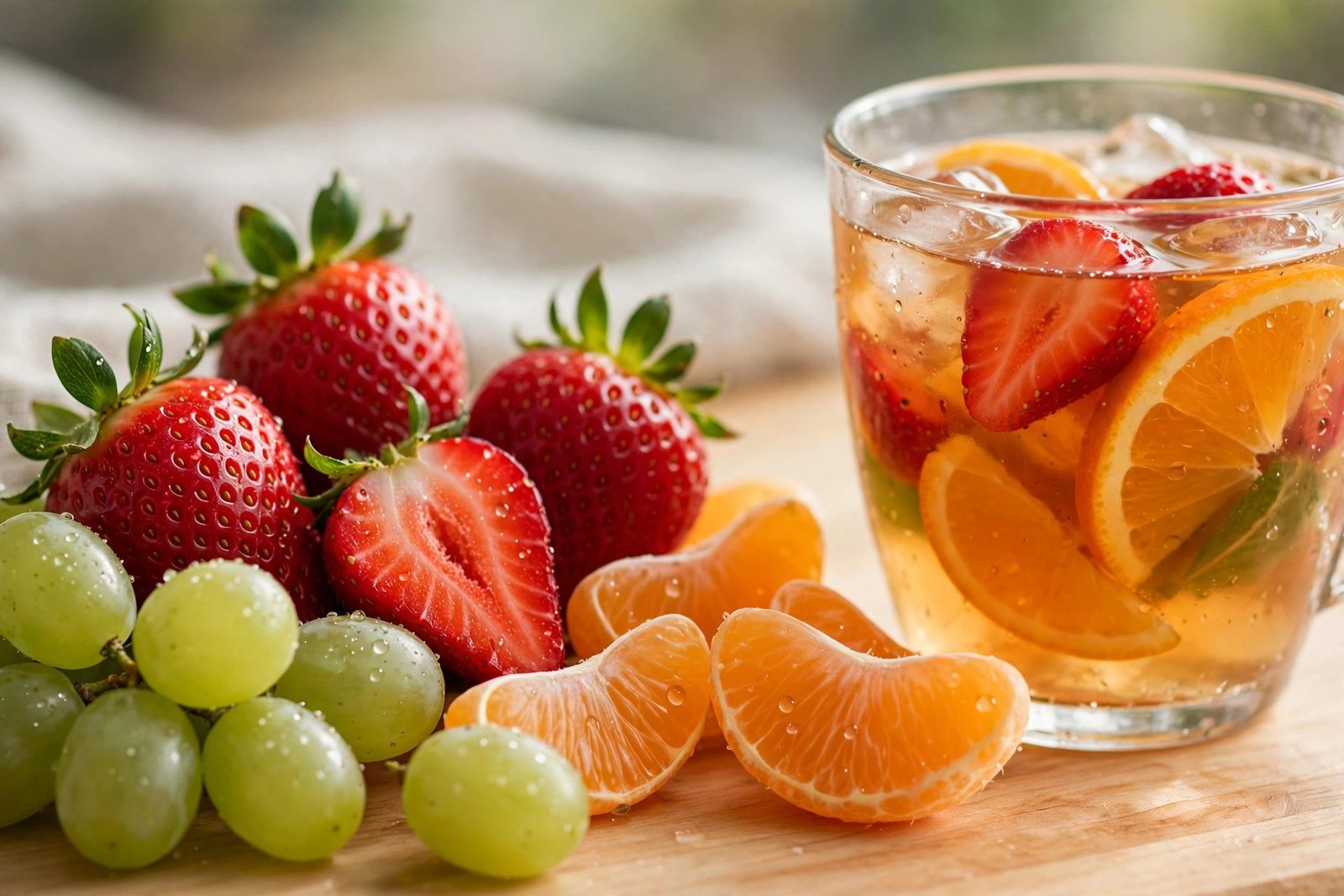
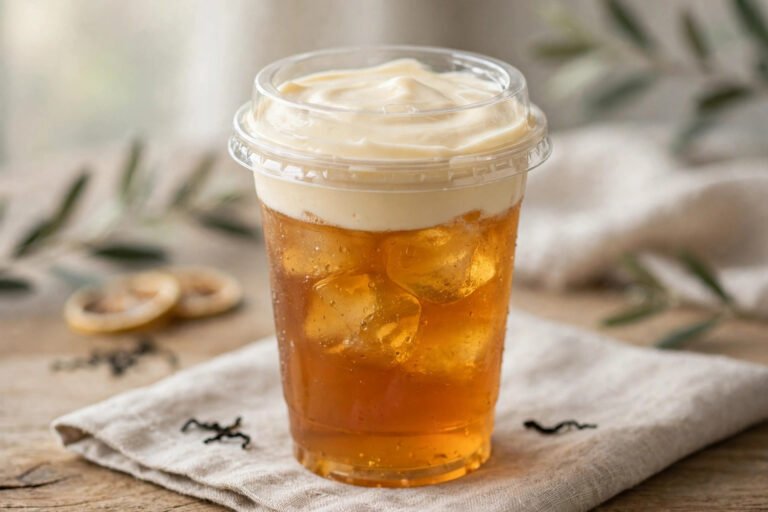
The Very Grape series. This is the flagship case study. The Very Grape Cheezo: the drink that arguably built the brand’s fruit-tea reputation combines freshly pressed grape juice, whole grapes muddled into green tea, and the signature salted cheese foam. You bite into actual grape skins and pulp. Its sibling, the Very Grape HEYTEA (the non-cheese version), is the same fruit-tea core without the foam. If you want the single best demonstration of the fresh-fruit claim, start here.
Black grape drinks. The Black Grape Boom, which starred in HeyTea’s 2025 Alexander Wang collaboration in New York, is built on fresh hand-peeled black grapes over jasmine green tea. Hand-peeling is labor-intensive enough to tell you something about the brand’s priorities: this is not a drink that could exist on syrup alone.
Very Green Grape Crystal. Made with fresh-shined muscat grapes and green jasmine tea. Shine Muscat is a premium, fragrant grape variety—the kind of ingredient choice that only makes sense if real fruit is the point.
Grapefruit and citrus teas. The Grapefruit Boom (满杯红柚) and similar citrus drinks use real segmented grapefruit. Citrus segments are visible in the cup, which makes these among the easiest drinks to freshness-check with your eyes.
Mango Grapefruit Sago. A heavier, more dessert-like drink—mango and grapefruit with sago pearls. Real fruit chunks are consistently noted by drinkers, but the sago and the richer build put it a step toward indulgence rather than purity.
Cloud Coconut Blue and the coconut line. Coconut-based drinks sit in the middle of the spectrum. Coconut water and coconut milk are inherently processed ingredients (nobody is cracking coconuts behind the counter), but they are real-ingredient bases rather than artificial flavorings. Refreshing, legitimate, just not “muddled to order” fresh.
What “Duo” Actually Means (and Why It Confuses People)
Now the part of the menu that genuinely confuses people. You will see drinks and add-ons with names like Matcha Coconut Duo or the limited-edition duo matcha drink from the Yayoi Kusama collaboration. What is “duo”?
It comes from 多肉 (duō ròu)—roughly “multi-flesh” or “extra pulp.” In practice, it is HeyTea’s term for drinks and toppings built around a generous quantity of fruit pulp. And here is the honest part: in many cases, that pulp is a prepared fruit product—fruit that has been processed, often cooked down with sugar, into something between a chunky compote and a thick fruit base. It is what gives duo drinks their intense, saturated fruit punch, the kind of vividness that raw muddled fruit alone sometimes cannot deliver at scale.
Think of it as the difference between fresh strawberries and really good strawberry preserves. Both come from strawberries. Nobody would call them the same ingredient. A duo topping is delicious, fruit-derived, and openly advertised as what it is the name is right there on the menu. But if your personal definition of “fresh” means “nothing but raw fruit,” a duo drink has a prepared component doing real work alongside the fresh fruit.
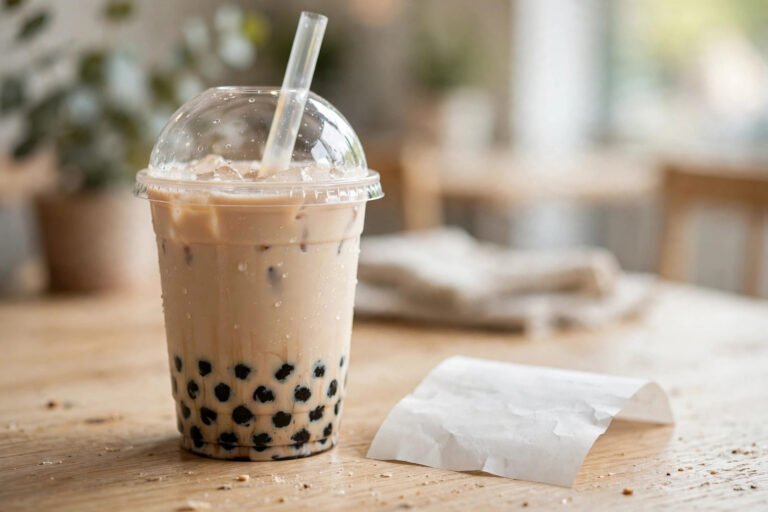
The Matcha Coconut Duo is a good illustration of the concept in topping form: coconut milk jelly and brown sugar boba layered for texture and richness. Not fresh fruit in the muddled sense but a deliberate, crafted addition rather than a cheap syrup shortcut.
Where Syrup Genuinely Enters the Cup
Let us be specific and fair about the non-fresh elements, because they exist in every made-to-order tea shop on earth:
Sweetness syrups
Every sweetness level except zero involves added syrup, typically rock sugar syrup or fructose. This is universal in the industry, including at the fanciest tea houses, and it is why “0% sugar” fruit teas still taste sweet: the fruit’s own natural sugars stay in the cup. Do not mistake 0% for calorie-free. A zero-syrup grapefruit tea still carries meaningful natural fruit sugar and calories to match. If you are tracking either, our breakdown of the HeyTea nutrition numbers shows how sweetness levels shift the totals.
Seasonal and limited-edition bases
This is where I would apply the most scrutiny. When a limited drink features an unusual flavor, something out of season, or a taste that is hard to extract from raw fruit at volume, the odds rise that a flavored base, concentrate, or prepared puree is involved. That is not a HeyTea-specific sin; it is how limited-edition beverage menus work everywhere. A winter drink that tastes like peak-summer mango is telling you something.
The cheese foam
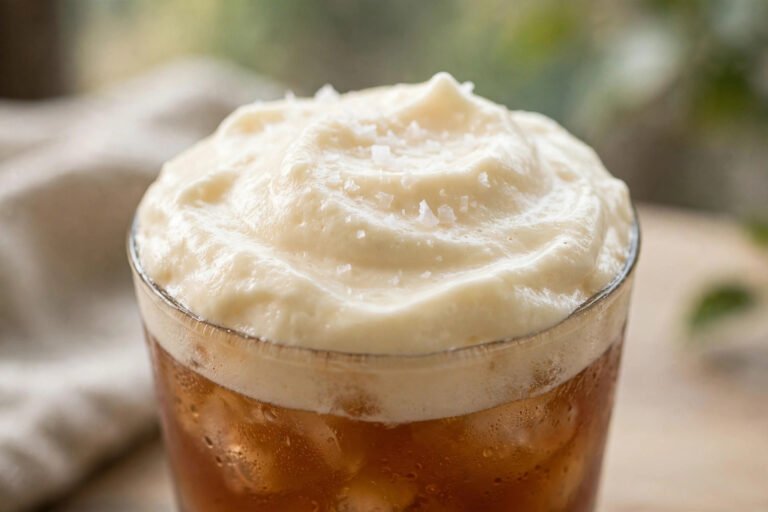
Not a syrup, but worth placing correctly: The foam is a prepared dairy blend HeyTea’s recipe centers on New Zealand. Anchor cheese, milk, cream, and salt are whipped into the thick savory-sweet cap. Made in batches, not squeezed to order. Nothing artificial in principle, but a manufactured component.
What I have not found evidence of is the classic budget-shop move: fruit-flavored syrup standing in for fruit entirely, with no actual fruit in the cup. HeyTea’s whole positioning—and its US launch pitch of “fresh fruits, fresh tea leaves, and premium milk” as the anti-powder alternative—is built on the opposite. The cups back it up.
The Freshness Spectrum, Ranked Honestly
If it helps to think of the menu as a spectrum rather than a binary:
| Freshness tier | What’s in the cup? | Examples |
|---|---|---|
| Freshest | Visible whole fruit or segments, muddled to order | Very Grape series, Black Grape Boom, Grapefruit Boom, Very Green Grape Crystal |
| Fresh with prepared helpers | Real fruit plus cooked-down fruit bases | Mango, grapefruit, sago, and duo-topped drinks |
| Real ingredients, inherently processed | Coconut, dairy, and other prepared bases | Cloud Coconut Blue, coconut line |
| Most processed | Unusual or out-of-season flavors | Seasonal limited editions with hard-to-source fruit profiles |
None of these tiers is a scam—they are different products for different moods. The only mistake is expecting tier-four purity from a tier-two drink.
How to Order the Freshest Possible Cup
If maximum freshness is the goal, here is the playbook:
- Order around the season. The seasonal board exists for a reason—in-season fruit tastes better and needs less help from prepared bases. A strawberry drink in strawberry season will always beat a strawberry drink in the dead of winter. The official HeyTea site lists the current seasonal lineup.
- Look for visible fruit. The most reliable freshness test you own is your eyes. Whole grapes, strawberry slices, grapefruit segments—if the fruit is visible, it is real. This sounds obvious, and it is the single best heuristic on the menu.
- Go easy on the duo. Duo toppings are the cooked, sweetened component. Delicious, but if you want the purest cup, a straight fresh-fruit tea with no duo add-on is the cleanest version of the concept.
- Drop to 30% or 50% sweetness. Full sweetness buries fruit flavor under sugar. Lower sweetness lets the actual fruit and tea come through — and regulars consistently recommend 50% as the sweet spot for fruit teas. See our full guide to HeyTea’s sugar and ice levels for what each level actually does.
- Ask the staff about seasonal specials. A quick “does this one use fresh mango?” gets a straight answer more often than not. Staff know which components are fresh-prepped and which arrive as bases.
- Order ahead in the app. Fresh fruit prep takes time, and a slammed counter is where drinks get rushed. Ordering ahead through the HeyTea app or mini-program means your drink gets made on a steadier rhythm — and you skip the queue that has been known to stretch past an hour at busy locations like the Broadway store in New York. Check the current HeyTea menu before you go so you know which fruit teas are in season.
How HeyTea Compares to the Rest of the Industry
Context matters here. The budget end of the bubble tea world runs on flavored syrups, powdered creamers, and instant tea powder. Fruit “tea” at those shops is often tea powder plus fruit-flavored syrup plus water, with canned fruit cocktail if you are lucky. It can taste fine. It is not fresh.
HeyTea was essentially founded as a rejection of that model — real brewed tea from leaves, real dairy instead of creamer powder, fruit prepped in-store. That is what the premium pricing is actually buying: ingredient cost and labor. Muddling fresh grapes to order takes longer and costs more than pumping syrup, and the visible prep line exists precisely because the fruit volume is real.
When HeyTea opened on Broadway in New York in December 2023, it positioned itself as the first Chinese new-style tea brand selling drinks made with genuine ingredients in the US — real fruit, real tea leaves, real dairy — in deliberate contrast to powder-based bubble tea. Marketing is marketing, but the visible fruit prep suggests the claim has substance.
Frequently Asked Questions
Does HeyTea use real fresh fruit in its fruit teas?
Yes — the core fruit teas are built on real fruit that is muddled, pressed, or sliced in-store, combined with freshly brewed tea. Drinks like the Very Grape series, Black Grape Boom, and Grapefruit Boom contain visible whole fruit. Sweetness comes from added syrup, which is standard across the industry, but the fruit flavor comes from actual fruit.
What does “duo” mean at HeyTea?
“Duo” comes from the Chinese 多肉 (duō ròu), roughly “multi-flesh” — it signals drinks and toppings with a generous fruit-pulp component. In practice, duo fruit bases are often prepared (cooked down with sugar into a compote-like consistency) rather than raw muddled fruit. They are fruit-derived and delicious, just more processed than the freshest tier of the menu.
Is there syrup in HeyTea fruit tea?
Yes. Nearly every fruit tea uses a measured sweetness syrup (rock sugar syrup or fructose) to hit your chosen sweetness level — only 0% sugar skips it. The syrup controls sweetness; the fruit controls flavor. These are separate jobs, and understanding the distinction is the key to reading the menu honestly.
Which HeyTea fruit tea is the freshest?
The Very Grape series (Very Grape Cheezo and Very Grape HEYTEA) is the best-documented fresh-fruit showcase — whole grapes and pressed grape juice in green tea. Black grape drinks with hand-peeled grapes and citrus teas with visible segments (like the Grapefruit Boom) are also top-tier. For the purest cup, skip duo add-ons and order 30–50% sweetness.
Are HeyTea’s seasonal fruit drinks made with real fruit?
It depends on the drink. Seasonal specials built around in-season fruit are typically the freshest items on the menu — that is the point of seasonality. But unusual or out-of-season flavors in limited editions are more likely to involve prepared fruit bases or concentrates. When in doubt, ask the staff what is fresh-prepped; the seasonal lineup at HeyTea Singapore and other international stores rotates regularly.
The Verdict
HeyTea’s fruit teas hold up to scrutiny better than almost anything else at their price point. The fruit is real, the prep is visible, and the brand has invested in equipment and labor — from visible prep lines to proprietary fruit-processing systems — that only makes sense if fresh fruit is genuinely the foundation. The syrups are sweetness adjusters, not flavor substitutes, and the duo toppings are openly what they are: prepared, fruit-derived, delicious.
Order around the season, keep the sweetness moderate, and judge freshness with your eyes. You will get one of the freshest cups the bubble tea world offers — just do not expect “fresh” to mean “nothing but fruit and water.” Even the best fruit tea is a crafted drink, and a little syrup in service of balance is nothing to be suspicious of.